


Biotechnology, Biofuels, Biochemicals, Biomaterials, Pharmaceuticals and More
The number of products and the amount of energy derived from biological sources is growing every day. This is due to the the many possibilities of bioproduct and bioenergy applications as well as the renewable and sustainable opportunities that bioproducts and bioenergy impart.
There are many bioproduct and bioenergy applications from all three of the areas of research. Examples such as spray-drying Cross-Linked Alginate Microcapsules, the Renewable Energy Anaerobic Digester (READ) facility, and the treatment of waste water using microalgae are just a few of the many projects and research occurring here at UC Davis.
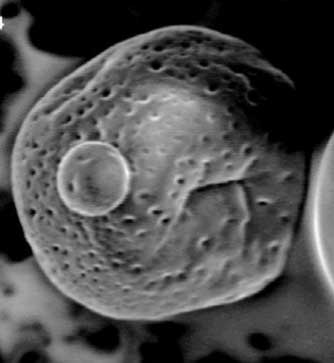 Microencapsulation is the process of putting a shell, at the microscopic level, around a solid, liquid, or gas. Microencapsulation offers a number of benefits. Once a material is coated, it is resistant to deterioration, able to mask undesirable flavors and odors, improve handling and transportation, and more.